home
Pre-war co-ops
Most of central Astoria is six- to seven-story pre-war co-op buildings. Units often have plaster walls, galley kitchens, and a single bathroom with original cast-iron plumbing stacks.
Housing stock, co-op board approvals, DOB permits, and realistic 2026 costs for kitchen, bathroom, and gut renovations across Astoria and Long Island City.
Astoria is one of the densest, fastest-moving remodeling markets in Queens. Blocks of pre-war co-ops and rental buildings along Ditmars, Broadway, and 30th Avenue meet newer condo development toward Long Island City, and the housing stock ranges from century-old walk-ups to recently converted lofts. That mix shapes almost every remodeling decision here.
Most Astoria renovations are kitchens and bathrooms inside co-op or rental buildings, not ground-up additions. That means your project lives at the intersection of three approval layers: your building's board or management company, the NYC Department of Buildings, and — in multi-family buildings — the plumbing and electrical rules that protect the units above and below you.
This guide walks through what's actually involved: the housing stock, the projects homeowners take on, how permits and board approvals work, what things cost in 2026, and realistic timelines.
What your building is made of determines what you can and can't change.
Most of central Astoria is six- to seven-story pre-war co-op buildings. Units often have plaster walls, galley kitchens, and a single bathroom with original cast-iron plumbing stacks.
Toward LIC, you'll find warehouse conversions and newer condo construction. These can have flexible layouts but strict alteration rules set by the sponsor or HOA.
Pre-war stacks mean moving a sink or toilet can require cutting into shared risers — and your building may cap how many plumbing alterations are allowed per year.
Shared walls, floors, and ceilings mean noise, dust, and water-shutoff logistics all affect scope and timing far more than in a detached house.
What Astoria homeowners actually spend money on.
The most common project. In co-ops, layout is often constrained by the plumbing stack, so most kitchens are refreshed in place rather than gutted and rotated.
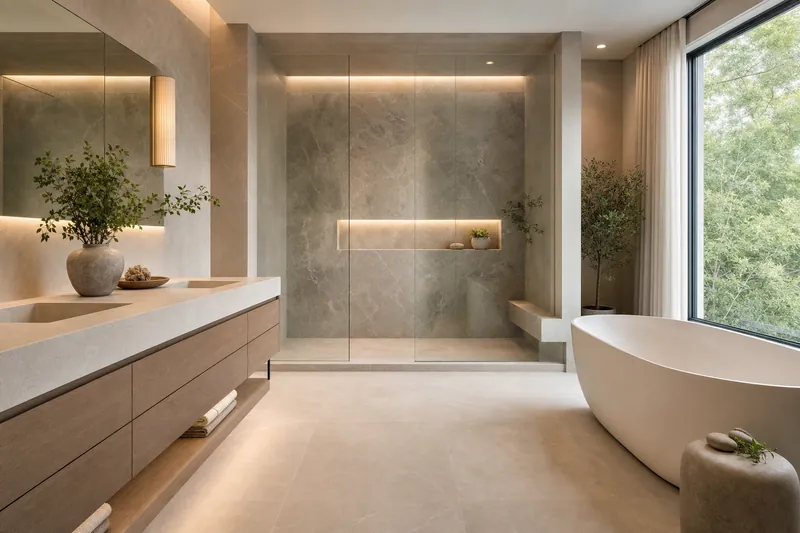
Bathroom renovations are frequent but tightly controlled — moving a toilet or shower means DOB plumbing work and, in co-ops, a board alteration agreement and insurance requirements.
Many owners restore rather than replace: refinishing original wood floors, restoring tile, and refinishing plaster instead of drywalling over it.
Combining two adjacent apartments into one is a classic Astoria project. It's a full gut renovation that requires an architect, DOB filings, and board sign-off.
NYC Department of Buildings: Any work that changes plumbing, electrical, gas, or layout requires a DOB permit, and most structural or layout changes need a licensed architect or professional engineer to file plans. Simple cosmetic swaps — replacing a vanity, repainting, swapping a light fixture — usually do not. Your contractor should pull permits and schedule the required rough and final inspections.
Co-op board alteration agreement: In a co-op, the DOB permit is only half of it. Before construction, the board or management company will require a signed alteration agreement, often with a security deposit, proof of contractor insurance (naming the co-op as additional insured), a contractor indemnification, and rules about work hours, freight elevators, and daily cleanup. This process typically adds 2–6 weeks before demo can start.
Plumbing restrictions: Many pre-war co-ops limit how many apartment plumbing alterations can happen at once, to protect shared risers. If you're moving a wet wall, ask early whether the building allows it and whether a plumbing shutdown is required.
Costs in Astoria track the Queens-wide ranges but trend toward the middle of each tier, because co-op constraints limit how much layout can change. A kitchen remodel in an Astoria co-op typically runs $45,000–$85,000 for a mid-range job and $18,000–$35,000 for a cosmetic refresh that keeps the layout. See our full Queens kitchen cost guide for the breakdown.
A standard bathroom remodel in Astoria usually lands around $20,000–$40,000; moving the wet walls or converting a tub to a walk-in shower pushes it higher. Full apartment gut renovations — including combinations — are priced per square foot, typically $200–$275/sq ft mid-range. See the gut renovation cost guide for per-square-foot tiers.
The biggest cost levers in Astoria are layout changes (because of shared plumbing stacks), board-mandated insurance and protection requirements, and the premium on protecting neighboring units from dust and water damage.
Plan for a longer runway than you would in a detached house. Board approval and alteration agreements add 2–6 weeks before construction, DOB permit filings can add another 2–6 weeks, and ordering cabinetry and fixtures often takes 6–12 weeks before demo.
Once construction starts, a kitchen typically takes 4–8 weeks of active work and a bathroom 2–3 weeks; a full apartment gut runs 8–16 weeks or more. Buildings usually restrict work to weekday business hours, which extends the calendar.
Almost always, yes — if you're changing plumbing, electrical, gas, or layout. The co-op board or management company will require a signed alteration agreement, contractor insurance naming the building as additional insured, and a security deposit before work begins. Cosmetic-only changes like painting or replacing a vanity sometimes don't need board sign-off, but check your proprietary lease first.
Often yes, but it's constrained. Moving wet walls means cutting into shared risers, and many co-ops limit the number of plumbing alterations per building or per year. Your architect and contractor will need to confirm what the building allows and whether a water shutdown is required. Expect it to add cost and time.
For any plumbing, electrical, gas, or layout change — yes. A licensed architect or professional engineer files plans with the NYC Department of Buildings for structural and layout work, and your contractor pulls the work permits. Cosmetic swaps that don't touch plumbing, electric, or structure usually don't require a permit.
Including board approval and permitting, an Astoria kitchen remodel often takes 10–16 weeks from start to finish; a bathroom 6–10 weeks; and a full apartment gut renovation 4–6 months. Buildings restrict construction to weekday business hours, which stretches the calendar compared with a house.
Yes. Reading this guide and requesting an estimate are free. Queens Reno Guide is a referral service: when you request an estimate, we connect you with a licensed remodeling contractor serving Astoria and Queens. We may receive a referral fee from the contractor, at no cost to you.
Queens Reno Guide publishes local cost data and connects homeowners with licensed contractors across Queens, New York.
Tell us about your project and we'll connect you with a licensed, insured Queens contractor for a free, no-obligation estimate.
Thanks — we'll connect you with a licensed Queens contractor shortly. Keep an eye on your email and phone.